Match masonry to home style, siding color, and winter exposure in North Andover; use granite, bluestone or frost-proof brick on exposed surfaces for durabi
The best masonry for a North Andover home matches the house style, siding color, and winter exposure from day one.
If your home has beige or tan siding, warm materials like buff brick and tan fieldstone usually fit best. If your exterior is white, gray, or blue-gray, cooler stone like bluestone or granite often looks better. For spots that face snow, ice, and heavy foot traffic, granite, bluestone, fieldstone, and frost-proof brick tend to last longer through North Andover’s freeze-thaw cycles.
Before choosing a patio, wall, walkway, or steps, keep these points in mind:
A simple rule helps: pick one material direction, repeat it across the main hardscape features, and use the toughest stone where winter hits hardest.

North Andover Masonry: Match Material to Home Style, Color & Winter Exposure
| Area | Best Match | Best Use |
|---|---|---|
| Home style | Colonial | Brick and fieldstone |
| Home style | Craftsman | Textured natural stone |
| Home style | Newer homes | Bluestone, granite, clean lines |
| Siding color | Beige, cream, tan | Warm brick and warm stone |
| Siding color | Gray, white, blue-gray | Cool-toned stone |
| High winter exposure | Granite, bluestone, fieldstone, frost-proof brick | Steps, walkways, patios, walls |
| Lower winter exposure | Sandstone, soft limestone | Sheltered accent spots |
The rest of the guide breaks down how to match those choices to your home so the finished work looks right and holds up over time.
Start with the home's style. In North Andover, masonry looks best when the scale, texture, and finish line up with the architecture. That fit begins with the house itself.
Colonial homes in North Andover tend to work well with clay brick and fieldstone. The symmetry of a colonial facade - centered entry, evenly spaced windows, pitched roof - calls for materials that feel settled and grounded. Brick walkways and stairs support that symmetry and pull attention toward the front door. A brick chimney can also help connect the whole exterior.
Fieldstone garden walls fit naturally along the edge of a colonial property. Stone wall contractors can build fieldstone walls that feel natural and right for the house. That softer finish helps offset the stricter lines of colonial symmetry.
Craftsman homes pair best with irregular, textured stone and handcrafted details.
Fieldstone stacked for retaining walls or plant enclosures works especially well here. The mix of stone sizes and surface texture echoes the layered look of a Craftsman exterior. Flatstone steps with a rough, cleft finish carry that same feeling underfoot.
Newer construction in North Andover often leans on simpler geometry. These homes usually pair best with masonry that shows the same restraint. Bluestone, dark granite, and clean-lined pavers all fit because they share the same visual language: precise edges, even color, and very little surface variation.
A bluestone patio with tight, uniform joints can feel like part of the home instead of a separate add-on. Match the patio, steps, and entry details so the exterior reads as one composition.
From there, the next choice is tone: warm masonry for beige and tan siding, cooler stone for gray and white exteriors.
Use color and texture to make each masonry feature feel like it belongs. Each element should support the home's look, not compete with it. The table below pairs common residential masonry features with their finish and palette, so you can see how everything works together from the street.
| Feature | Material Look | Palette |
|---|---|---|
| Brick Walkways | Classic, uniform, red or buff clay | Warm |
| Natural Stone Steps | Textured, solid, granite or fieldstone | Warm or Cool |
| Fieldstone Garden Walls | Organic, varied shapes, stacked | Warm (tan/brown) |
| Bluestone Patios | Smooth, large-format, clean edges | Cool (blue-gray) |
| Brick-Faced Outdoor Kitchens | Sturdy, traditional, structured | Warm |
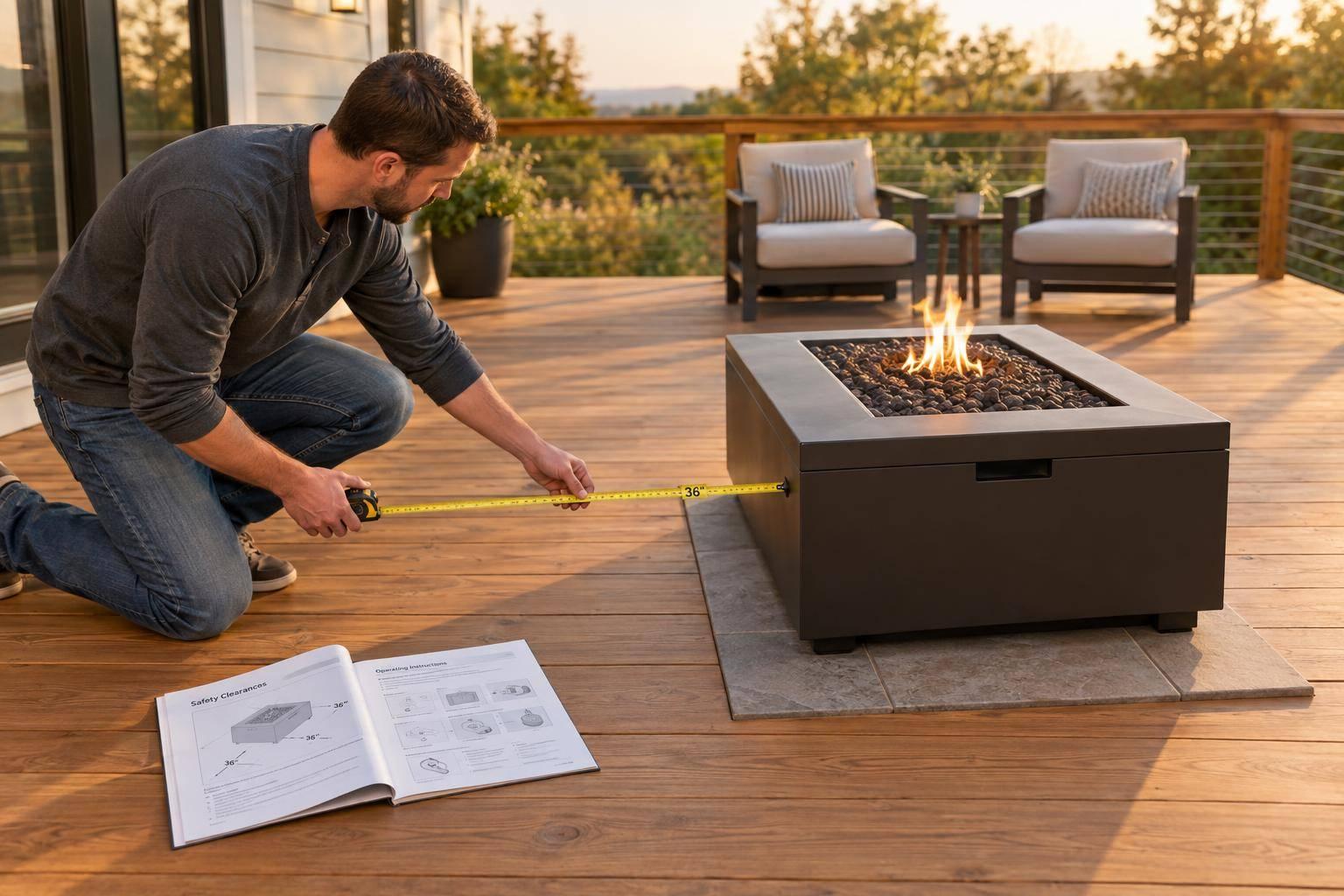
| Stone Fire Pit Surrounds | Natural fieldstone or dimensional block | Warm or Cool |
| Brick Chimneys | Historic, structural, classic red | Warm |
Pick either warm or cool tones, then stay consistent. Match the masonry tone to the siding and repeat it across walls, steps, and patios.
Start with the siding color, then repeat it in the biggest surfaces people notice first. Buff brick, tan fieldstone, and warm-toned clay all pair well with light neutral siding. That keeps the exterior feeling connected instead of pieced together.
A buff brick walkway and a fieldstone garden wall along the property edge help the front yard feel settled and finished. The warmth in the stone ties back to the warmth in the siding. Brick facing can also connect an outdoor kitchen to brick or clay details already on the house. Use the same facing on outdoor kitchens so they feel tied to the home.
Cool exteriors tend to look best with sharper contrast. Bluestone and dark granite create a crisp edge against white, gray, and blue-gray siding. That contrast separates the house from the landscape in a clean, intentional way.
A bluestone patio or granite step can stand apart from the siding without feeling out of place. Tight joints and even edges help the masonry match the clean lines of the home. Use the same tone across steps, patios, walls, and edging so the whole exterior reads as one plan. For exposed steps and patios, granite and bluestone hold up better through freeze-thaw cycles than softer stone.
Once you’ve chosen the palette, use it across the whole hardscape. The best-looking yards feel like one plan, not a mix of parts added at different times. That means thinking about everything together, from the driveway edge and front steps to the back patio. When the same palette runs through the full space, the yard feels intentional instead of pieced together over the years.
A low fieldstone wall does more than hold soil. It gives planting beds a clear edge and makes a front entry look finished. Stone wall contractors often use fieldstone for this exact reason: to frame entries and build low retaining or sitting walls that help ground the whole space.
Steps, landings, and patio surfaces should feel like one continuous route, not three separate choices. When masonry steps lead straight into a patio installation with a similar material tone, the shift feels smooth and the layout reads as one design.
"Stairs and walkways are among the first features visitors notice. Ensure they are in top shape." - Gerrior Masonry & Landscaping
Edging helps pull the borders together. Brick edging along a driveway or walkway creates a clean line and helps avoid the patchwork look that shows up when surfaces just stop without a border. Match the edging to the main palette. Use warm brick edging next to a brick walkway, or granite or bluestone edging next to a cool-toned patio, and the exterior feels like one well-planned space.
With the layout unified, material choice becomes the next test in North Andover's winters.
In North Andover, the material you pick matters just as much as the look you want. Winter exposure changes how masonry ages, how it looks, and how long it lasts. That’s why the best move is simple: put the toughest materials in the spots that take the most weather.
Granite and bluestone do the best on exposed features. Sandstone and soft limestone work better as sheltered accents, not on steps, patios, or walkways.
Start by looking at where each surface sits. Steps and walkways need the hardest-wearing stone. Sheltered accents can be a bit more delicate. Use durable stone where snow, ice, and foot traffic hit hardest, and save softer materials for protected areas.
| Material | Winter Performance | Best Uses |
|---|---|---|
| Natural Granite | High | Steps, landings, heavy-traffic walkways |
| Bluestone | High | Patios and formal walkways |
| Clay Brick | Moderate to High (needs a frost-proof base) | Historic home paths, stairs, accents |
| Fieldstone | High | Retaining walls, garden borders |
| Concrete Pavers | High for driveways and family patios | Driveways, high-traffic family patios |
| Sandstone / Soft Limestone | Lower; best only in sheltered or decorative spots | Protected accents |
Avoid rock salt. Use a paver-safe ice melt and a plastic shovel to help protect masonry finishes.
Once you’ve settled on the right mix of materials, the whole design feels cleaner and keeps that look over time.
North Andover masonry looks and performs best when style, color, layout, and winter durability work together. Granite, bluestone, and frost-proof brick hold up on exposed features. Softer stone belongs in protected spots. Done right, the hardscape feels built into the property, not added to it.
Oliver Enterprises has applied that material logic across North Andover since 1988, matching stone and brick to site conditions rather than defaulting to whatever is easiest to source.
Choosing between brick and stone comes down to the look you want and how much you plan to spend.
Brick gives you a classic, timeless style that fits colonial-style homes especially well. It also handles North Andover’s freeze-thaw climate well, which matters when weather shifts put outdoor materials to the test.
Natural stone, such as granite or bluestone, gives your space a more refined, premium look while also offering long-term durability. Either way, working with experienced stone wall contractors can make the decision a lot easier. They can help you pick the right material and make sure it’s installed the right way.
In North Andover’s Zone 6b climate, granite and bluestone tend to hold up best. The big reason is simple: they handle freeze-thaw cycles and road salt better than more porous materials, which can crack or wear down over time.
High-quality concrete pavers also do well here. Their joints give the surface a bit of flex, which helps when the ground shifts with the seasons.
Brick is still a reliable, classic pick. But like a lot of hardscape materials, its lifespan depends a lot on the base underneath it. If that base isn’t prepared the right way, problems can show up much sooner.
For stone walls, professional stone wall contractors can help make sure drainage is done right and the wall has the support it needs.
Stick with consistent materials, colors, and layout so your patio, steps, and walls read as one outdoor space. Good masonry in North Andover starts by lining up those details with your home’s style - think fieldstone for Colonial homes or clean-cut bluestone for newer builds.
Experienced stone wall contractors can also help pull the whole space together while planning for freeze-thaw weather with proper drainage and installation.