Plain-language guide to residential masonry in North Andover: features, freeze–thaw risks, drainage issues, and when to repair or replace.
Masonry work means building or repairing parts of a home with brick, stone, concrete block, and mortar. For homeowners in North Andover, that usually means walls, steps, patios, walkways, chimneys, and retaining walls that must handle rain, snow, and freeze-thaw damage.
Here's the short answer:
When judging a masonry issue after winter, keep it simple: surface wear may be repairable, but movement, water trouble, and safety issues need a closer look from a mason.
A few things this guide covers:
This is a plain-language guide to understanding what masonry work is, where it shows up around a home, and when a spring inspection makes sense.

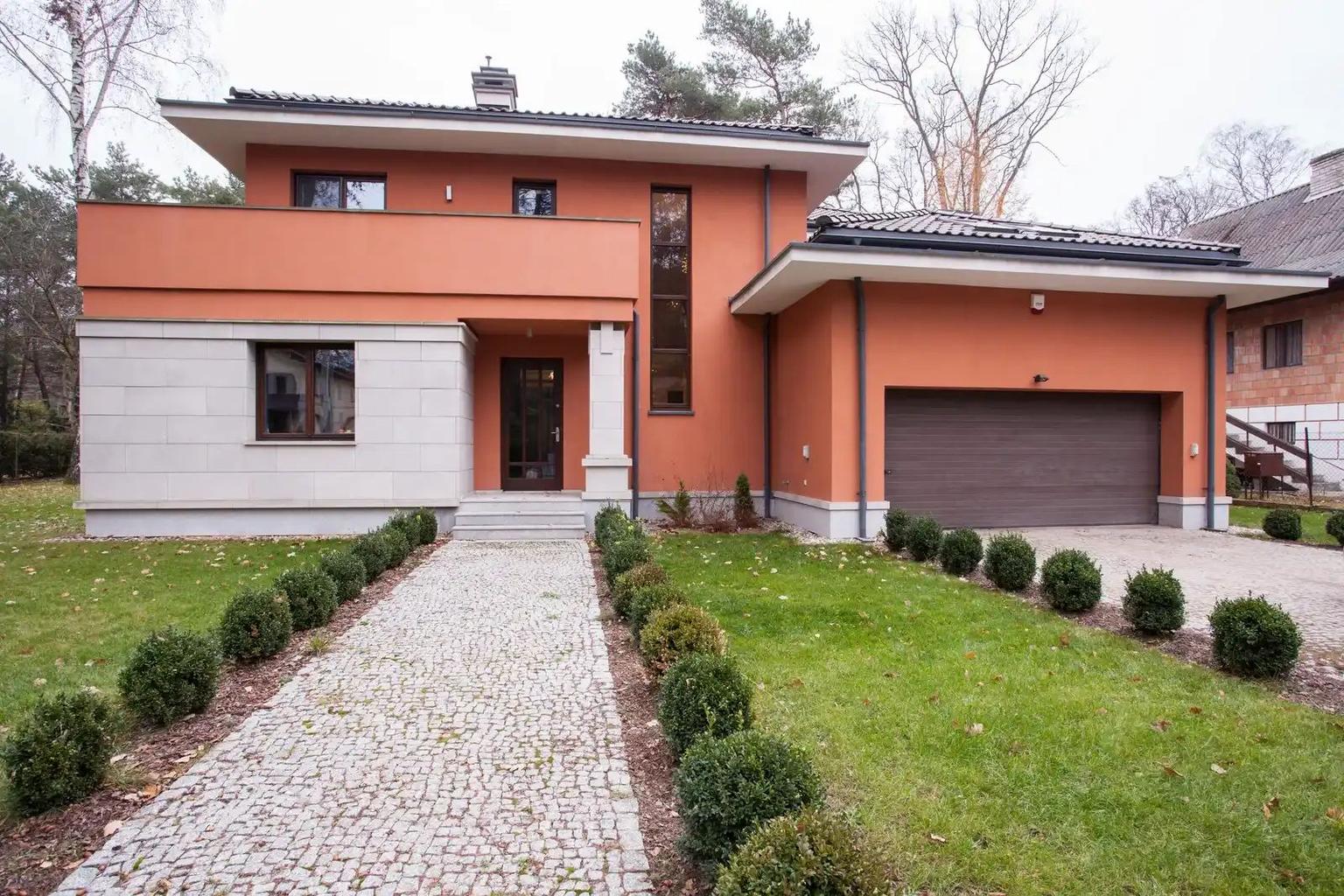
Residential masonry covers the stone, brick, block, and mortar features that shape both the look and day-to-day use of a North Andover home. Around North Andover, that often means fieldstone walls, brick steps, retaining walls, and patios that fit the style of the house instead of looking tacked on.
Stone walls are one of the most noticeable types of masonry in North Andover. That can include natural fieldstone walls, garden borders, and structural retaining walls built to handle sloped ground and help prevent soil erosion. Depending on the job, specialists may use fieldstone, granite, or concrete block.
This group also includes entry steps, stone stairs, and granite slab walkways. If you're hiring stone wall contractors for work like this, it helps to choose a crew that knows both structural work and finish work. Retaining walls often need drainage systems and reinforced concrete to stand up to soil pressure over time. They also need to shed water and shift with the ground without failing. That's where experience shows.
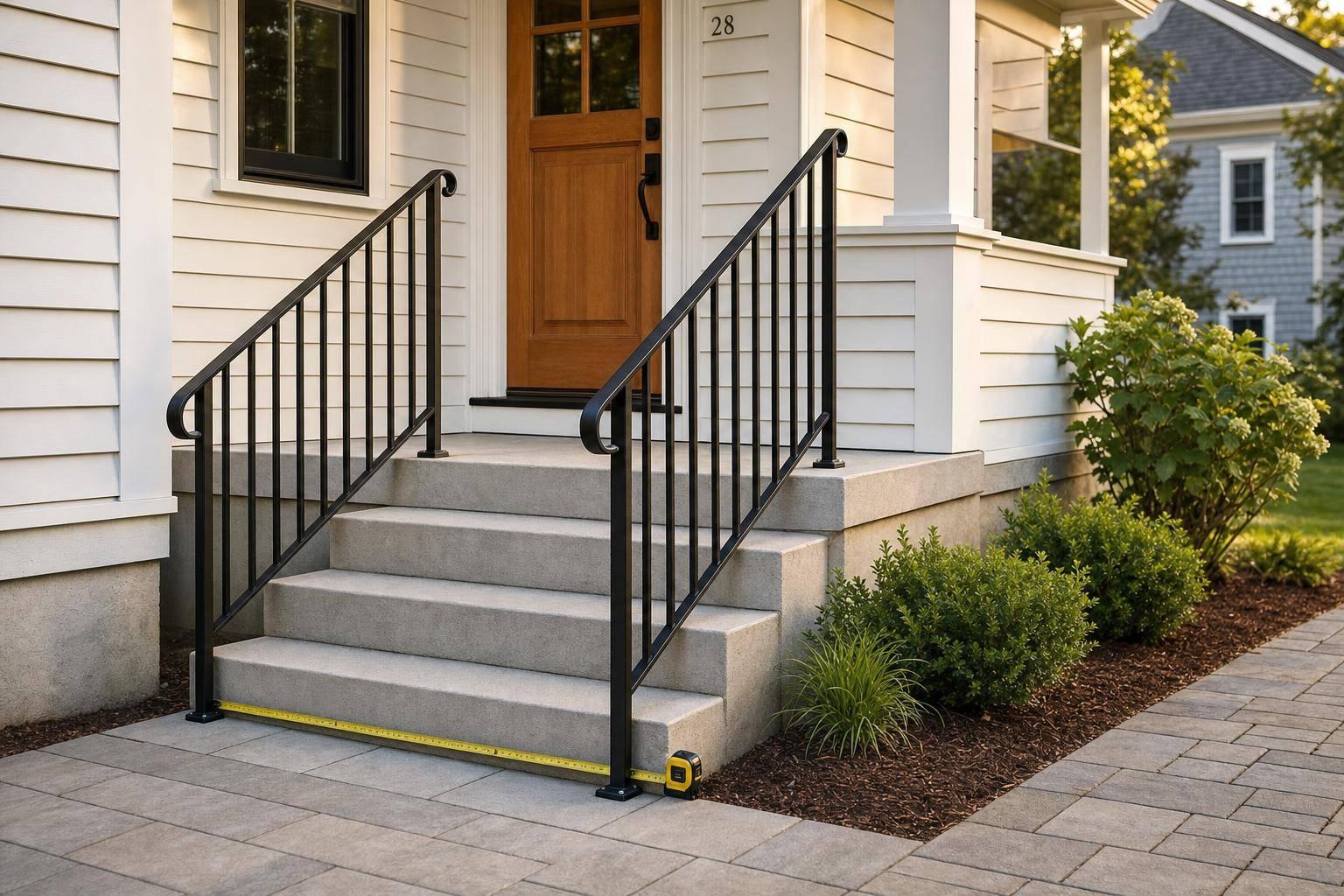
Brick patios, stone walkways, fire pit surrounds, outdoor kitchens, and BBQ islands all fall under masonry when they're built with stone, brick, block, and mortar.
A well-built patio or walkway adds outdoor living space that can stand up to years of New England weather and regular foot traffic.
The same trade shows up indoors and outdoors, but structural work comes with more on the line. Chimneys, fireplaces, and related repairs - like repointing mortar joints, replacing flues, and installing caps - are all part of masonry. These aren't just surface fixes. They involve structure and safety.
That difference matters. A chimney rebuild or fireplace repair calls for a different skill set than laying a patio. The materials are different. The tolerances are tighter. And the cost of a mistake is higher. Jobs like these need precision because they affect how the structure performs and how safe it is to use. That's why masonry work is best left to a specialist.
Since masonry depends on layout, drainage, and mortar choice, the next step is figuring out when a repair will do the job and when replacement is the better call.
Masonry can look straightforward from the outside. Stack stone, lay brick, add mortar, and you're done. But that's not how long-lasting work happens.
What keeps masonry in good shape for years comes down to details most homeowners never see: mortar selection, structural layout, and drainage. In North Andover, that matters even more. Hardscaping contractors like Oliver Enterprises have spent decades working with the fieldstone walls, brick accents, and older colonial homes that define the area — and that kind of local familiarity shapes the material matching and winter protection decisions that most homeowners never think to ask about. Those behind-the-scenes choices decide whether a wall or patio lasts for decades or starts to fail far too early.
Mortar type matters more than most people think. If the mix is wrong, joints can crack, water can seep in, and the surface can wear down much sooner than expected.
Stone coursing, or the pattern and alignment of each stone, plays a big role too. It shapes how the finished work looks, but it also affects strength. Different masonry styles need different layout plans, and that takes experience.
Heavy stone and block also need a base that can handle the load. If that base is weak, or if the layout is off, the whole structure can shift over time. That's why experienced masonry contractors map out the layout before setting anything in place. They account for load, drainage, and long-term movement from the start. Once the base, support, and water control are handled, the next issue is how the masonry will deal with New England winters.
Stone and mortar are porous, so moisture gets in. When temperatures drop, that moisture freezes and expands. Over time, that leads to chipped surfaces, cracked joints, and shifting stone walls. In North Andover, freeze-thaw cycles can wear masonry down much faster.
Drainage is the first thing that helps stop that damage. Behind retaining walls, trapped water adds pressure that can make masonry bulge, lean, or even collapse. Specialists deal with this by building in drainage paths, gravel base layers, and weep holes. Each part helps move water away before it turns into a bigger issue. Footings also need to sit below the local frost line so the ground doesn't push the structure upward during winter.
When those parts are missing or done poorly, the next call is whether a repair will do the job or if replacement makes more sense over time.
After winter, the first clues usually show up on the surface. In North Andover, cold-weather freeze and thaw cycles often leave behind flaking brick, open mortar joints, and stonework that no longer sits quite right by spring. And those surface issues can point to damage deeper inside the structure.
Spalling happens when the face of a brick starts to flake off because moisture got trapped inside and then froze. Mortar joints can break down too, opening up or crumbling, especially on chimneys.
Stone walls and steps can shift in plain sight after a hard winter. Frost heave can lift part of a wall or tilt steps enough to make them uneven or unsafe. If a wall starts leaning even a little, or a walkway isn’t level anymore once winter ends, that’s not something to brush off.
Water slips into small openings all the time - a hairline crack in a mortar joint, a tiny gap in a brick face, or a loose stone. Once temperatures drop below 32°F, that water freezes, expands, and presses against the material around it. That pressure can turn a small flaw into a bigger problem over the course of a single winter.
That’s why spring is the right time to look closely for new movement, cracking, or surface loss. The big question is how deep the damage goes below what you can see. A spring evaluation from a qualified masonry contractor can help show whether the issue needs repair or full replacement.

Masonry Repair vs. Replacement: When to Choose Each
After a North Andover winter, the main issue is simple: is the damage limited to one spot, or is it affecting the structure itself?
Repair makes sense when the damage is isolated and nonstructural. If a few mortar joints have failed, they can often be repointed without disturbing the rest of the wall. The same goes for limited brick spalling on one small part of a chimney or walkway, minor settling without movement, or a few loose stones in a wall that is otherwise stable.
Replacement is usually the smarter move when the damage is structural or spread across the whole feature. A retaining wall that is leaning, bulging, or showing broad structural shifting usually cannot be patched back into safe condition. The same applies when drainage keeps failing. If water continues building up behind a wall or pooling under a patio, the system itself has broken down.
Widespread material breakdown is another strong sign. When bricks or stones are crumbling across the feature, spot repairs often turn into a short-term bandage.
The easiest way to look at it is scope: small, isolated failures can often be repaired. Structural problems usually mean replacement.
| Situation | Repair | Replace |
|---|---|---|
| Mortar condition | Isolated joint failure or minor cracking | Widespread crumbling or complete loss of bond |
| Structural alignment | Minor settling; structure still plumb and level | Significant leaning, bulging, or heaving |
| Material surface | Limited spalling or surface staining | Widespread material breakdown or crumbling across the feature |
| Drainage/water | Minor moisture; correctable drainage | Chronic water problems or failed footings |
| Safety | Sound structure; mostly aesthetic fixes | Feature no longer performs safely or drains correctly |
A spring evaluation helps show whether what you are seeing is cosmetic wear or a structural issue, and whether a repair will last or a full replacement makes more sense over time.
When it’s built well and kept in good shape, masonry work can be a long-lasting investment. In many cases, it holds up for decades. Sometimes, it lasts for centuries.
The lifespan comes down to two main things: the material you choose and the quality of the installation.
That difference matters. A well-prepared base and solid installation can be the line between a surface that starts cracking early and one that keeps its shape year after year.
Minor upkeep, like cleaning or resetting a few interlocking pavers, may be something a homeowner can handle. But most masonry repair work is best left to a pro.
In North Andover, freeze-thaw cycles and a 48-inch frost depth can lead to cracked mortar, shifting stone walls, and spalling brick. And those issues often trace back to drainage trouble or base failure. A masonry contractor can fix the root problem and make sure the repair holds up and stays safe.
Schedule a masonry inspection in early spring. In North Andover, winter freeze-thaw cycles often bring hidden damage to the surface once the ground thaws.
That makes spring the right time to look for spalling brick, cracked mortar joints, and heaving stone walls. It also gives you a chance to deal with moisture damage before it turns into a bigger, more expensive repair.