North Andover’s freeze-thaw cycles, Paxton sandy loam and 48-inch frost line shape installation and drainage choices for durable hardscapes.
North Andover’s climate and soil create unique challenges for hardscaping projects. With 30–40 freeze-thaw cycles each winter, Paxton fine sandy loam soil, and a 48-inch frost line, every decision about materials, drainage, and installation methods must address these conditions to prevent damage like cracking, shifting, or sinking.
Proper drainage, material selection, and adherence to local building codes are non-negotiable for creating long-lasting hardscapes in North Andover. Missteps in these areas can lead to costly repairs. Below, we’ll break down how to design and build hardscapes that can handle the region’s tough conditions.
North Andover is located in a region of Massachusetts where the environment poses unique challenges for hardscape materials. The area's climate, soil characteristics, and building codes all play a crucial role in shaping hardscape design and construction. These factors demand careful consideration to ensure durability and long-term success for any project.
In USDA Zone 6b, winters are anything but predictable. Temperatures can swing dramatically, with single-digit nights quickly giving way to afternoons in the 40s. On average, Massachusetts experiences 30 to 40 freeze-thaw cycles each winter. This constant freezing and thawing wreaks havoc on hardscape materials. Here's why: when water seeps into cracks, porous surfaces, or poorly compacted bases, it freezes and expands, creating enough force to crack stone, shift pavers, or damage mortar joints.
Steve Schumacher of Boston Landscape Co. explains the challenge well:
"New England's harsh climate makes durability especially critical. Freeze-thaw cycles, road salt, and heavy snow loads can destroy inferior materials within just a few seasons."
Mistakes like using the wrong materials, skimping on base depth, or neglecting proper drainage can magnify the damage. Often, the consequences become glaringly obvious by the first spring thaw. This is why hardscape contractors in North Andover rely on time-tested installation techniques to combat these conditions.
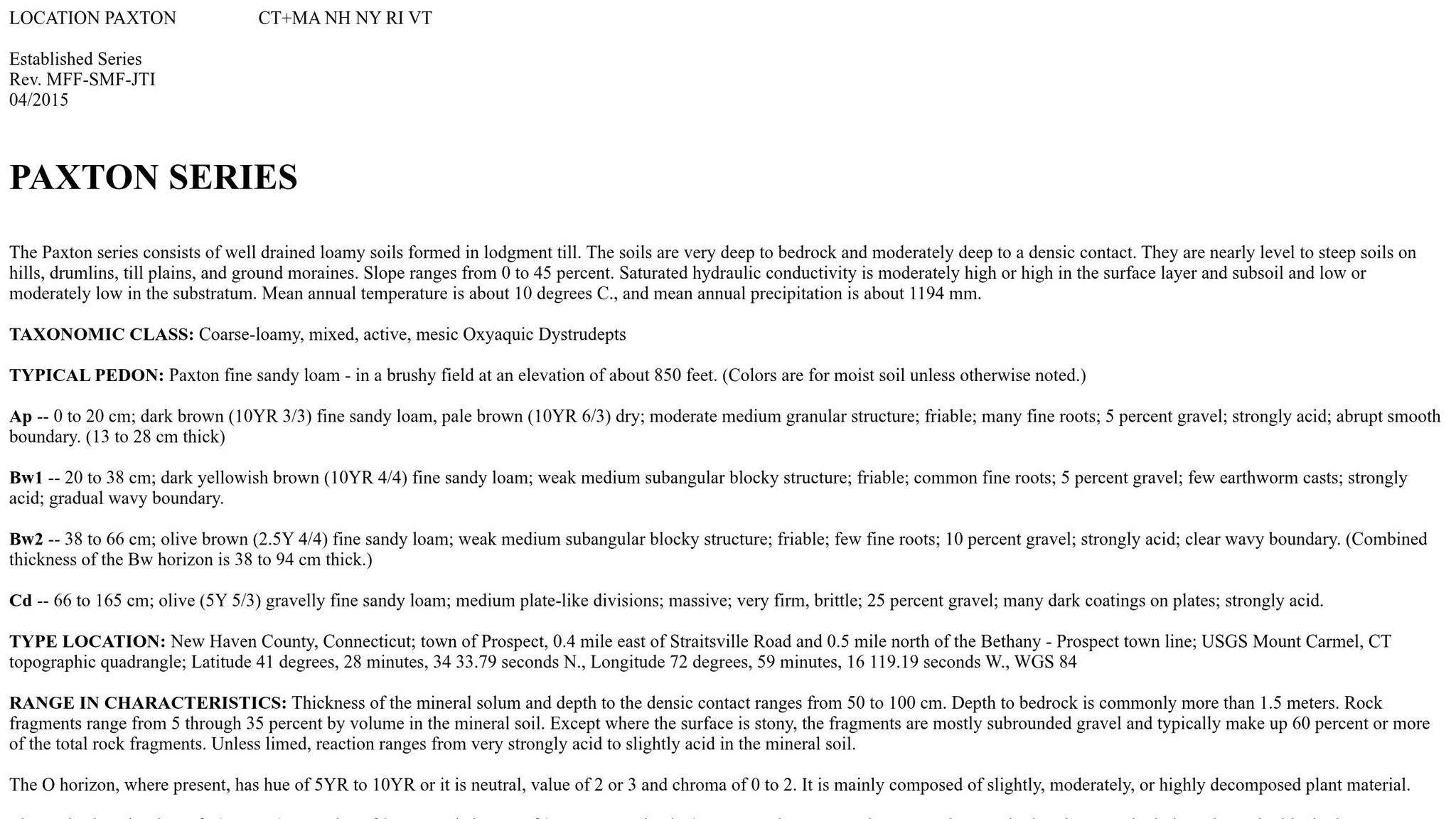
Contrary to what some might think, North Andover's soil isn’t dominated by heavy clay. Instead, the region features Paxton fine sandy loam, the official state soil of Massachusetts, which sits atop a dense layer of lodgement till left by glaciers. While the sandy loam layer is relatively permeable, the compacted glacial till below is nearly waterproof. This creates a "perched water table", where water from rain or melting snow infiltrates the surface but becomes trapped above the till.
As Low Point Labs describes it:
"Massachusetts sits on a landscape that was literally sculpted by ice... leaving behind compacted glacial till that behaves like concrete."
This trapped water is a major concern for hardscaping. When temperatures drop, the water freezes and expands, destabilizing patios, walkways, and other structures. To address this, drainage solutions must be carefully designed to account for the area's unique soil behavior. Without proper drainage, even the best hardscape designs are at risk.
According to MA State Building Code 780 CMR, Chapter 3, Table R301.2(1), the frost depth in Massachusetts is set at 48 inches. This measurement determines how deep footings must be for any permanent hardscape structure, including retaining walls, steps, and columns. Structures built without frost-depth footings are vulnerable to "frost heaving", where the freezing and thawing ground beneath them pushes them upward in winter and drops them back down in spring. Repeating this cycle 30 to 40 times a season can severely compromise the stability of patios, driveways, and walls.
Christopher Clark of Cut Above Landscaping highlights the importance of adhering to these standards:
"The 780 CMR code establishes the minimum structural and safety standards for outdoor walkways. It mandates frost-depth footings, minimum slab thickness, and load ratings."
Meeting the 48-inch frost depth requirement is not optional - it’s essential for ensuring that hardscaping projects in North Andover can withstand the region’s challenging conditions year after year.

Hardscaping Materials for North Andover's Climate: A Side-by-Side Comparison
Freeze-thaw cycles play a huge role in determining the right materials and methods for hardscaping. In North Andover, where fine sandy loam glacial till dominates and freeze-thaw cycles are frequent, every decision must be thoughtful. Let’s break down why material selection and proper base installation are so crucial in this region.
Poured concrete is a popular choice for hardscaping, but it struggles in climates like New England’s. Because it forms a single, rigid slab, it doesn’t handle ground shifts well. When the soil moves due to freeze-thaw cycles, the concrete cracks - and those cracks only get worse over time:
"A poured slab... cannot flex with seasonal ground movement the way individual pavers can. When the ground shifts below a concrete slab, the slab cracks, and those cracks tend to grow and reopen with each subsequent winter cycle." - J. Gudiel Landscape Inc.
Road salt adds to the problem by causing surface spalling, where the top layer flakes off, leaving rough, damaged concrete.
Interlocking pavers, on the other hand, are made up of individual units with joints that allow for slight movement. If a section shifts, you can lift the affected pavers, regrade the base, and reset them without much hassle. High-quality concrete pavers are also built to withstand freeze-thaw cycles, boasting compressive strengths above 8,000 psi and low water absorption rates, which make them far more resistant to salt damage.
| Feature | Poured Concrete | Interlocking Pavers | Natural Stone (Granite/Bluestone) |
|---|---|---|---|
| Freeze-Thaw Response | Rigid; cracks with ground movement | Flexible; joints absorb movement | Rigid units, flexible if dry-laid |
| Repairability | Difficult; patches are visible | Easy; individual units replaceable | High; stones can be reset |
| Salt Resistance | Low; prone to spalling | High; dense units resist salt damage | Very high; especially granite |
| Lifespan | 10–25 years (climate dependent) | 25–50+ years | Exceptional with proper base |
| Installed Cost | $10–$15/sq. ft. | $12–$25/sq. ft. | $25–$150+/sq. ft. |
Next, let’s see how natural stone compares to manufactured block for durability and performance.
If your project budget allows, natural granite and bluestone are excellent choices for freeze-thaw durability. Granite, in particular, has almost no porosity, so water can’t penetrate and freeze inside it. It’s also incredibly resistant to de-icing salts, which is a big advantage for areas like driveways and walkways in North Andover that face frequent winter treatments.
Manufactured concrete block has come a long way in terms of performance, but not all products are created equal. Lower-quality blocks tend to be more porous, which makes them vulnerable to water absorption and surface scaling over time. Premium manufactured pavers designed for cold climates can perform just as well as natural stone - but paying attention to quality is key.
Ultimately, though, the base beneath the material often matters more than the material itself.
"The base is the investment. The paver is the finish." - J. Gudiel Landscape Inc.
Retaining walls and steps in North Andover face two major challenges: frost heave from below and hydrostatic pressure from behind. Both can be managed with the right construction techniques.
Frost heave happens when footings are too shallow. According to the MA State Building Code 780 CMR, footings must extend at least 48 inches below the surface to avoid frost-related movement. Without this depth, walls or steps risk lifting in winter and settling unevenly come spring.
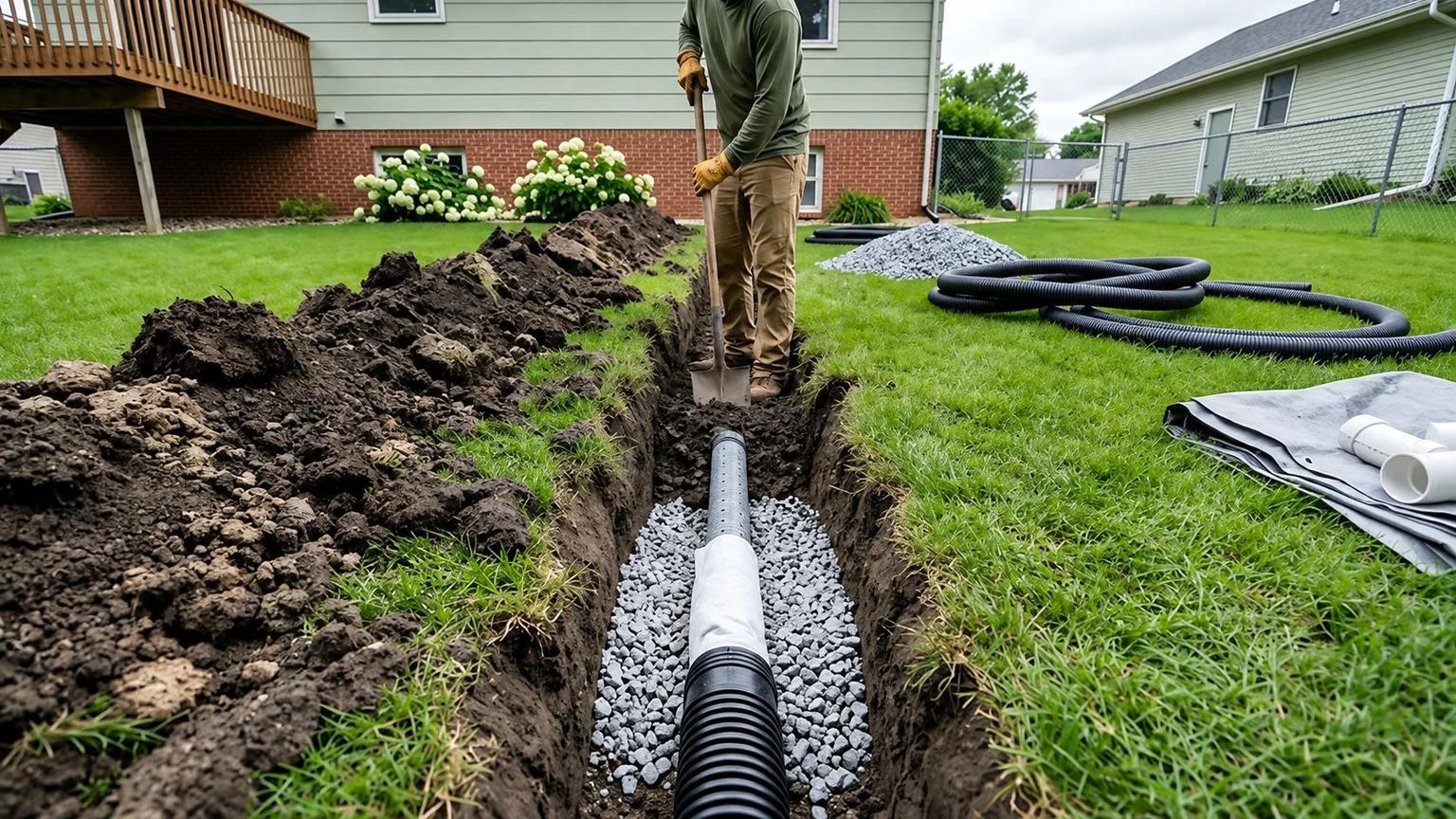
Hydrostatic pressure is another issue. During heavy rain or snowmelt, water can build up behind retaining walls. In North Andover, the fine sandy loam glacial till (Paxton series) often prevents water from draining naturally, leading to significant lateral pressure on the wall - especially when the water freezes. The solution? Proper drainage. Contractors use crushed stone backfill along with perforated pipes to direct water away before it can accumulate and freeze. Skilled professionals treat drainage as a structural necessity, not just an optional extra.
Before laying a single paver or digging a wall footing, drainage planning is a must. North Andover's Paxton fine sandy loam sits above a nearly impermeable layer of glacial till, creating a perched water table. Combine this with the area's frequent freeze-thaw cycles, and it's clear why drainage is critical for long-lasting hardscaping. Without proper drainage, pooled water freezes, expands by about 9%, and can lift foundations. With an annual average of 47 inches of precipitation, North Andover's drainage challenges demand attention from the very beginning.
"Water that pools under or around a patio and has nowhere to go will freeze and push. Proper slope, gravel base depth, and in some cases edge drainage are what prevent that from happening." - J. Gudiel Landscape
A strong subsurface drainage system starts with the right base materials. Open-graded crushed stone, compacted in 3-inch layers, creates a foundation that allows water to flow through instead of collecting. Adding a geotextile layer between the native soil and the gravel base prevents fine particles from clogging the drainage system.
For areas with significant water movement, installing a perforated drainpipe - commonly called a French drain - can help. These pipes, placed along patio edges or at the base of retaining walls, capture excess groundwater and direct it to a safe discharge point. This reduces the risk of water buildup that could compromise the structure. Proper grading is just as important; hardscape surfaces should have a slope of at least 1/4 inch per foot to direct surface water away from the home.
While subsurface drainage addresses groundwater, roof and surface runoff need separate solutions. Downspouts should extend 6 to 10 feet away from the foundation to prevent the area around hardscape bases from becoming oversaturated. For low-lying spots or areas where water naturally pools, catch basins with underground piping can efficiently collect and redirect water. Additionally, any drainage work within 100 feet of wetlands or 200 feet of streams requires approval from the local Conservation Commission under Massachusetts' Wetlands Protection Act.
By managing both subsurface and surface water effectively, hardscape contractors in North Andover can prevent winter damage and ensure materials perform as intended.
Planning for drainage isn't just an extra step - it's the key to building hardscapes that can handle North Andover's tough winters. For more information, check out drainage planning.
Once proper drainage is in place, the next step for hardscape contractors in North Andover is choosing materials that can handle the local climate. This decision is more critical than many homeowners realize - even the best base won’t save materials that aren’t suited for the environment.
For patios in North Andover, interlocking concrete pavers and natural stone are excellent options. Interlocking pavers are designed to handle the region’s freeze-thaw cycles. When the ground shifts, the pavers move slightly at their joints rather than cracking across the surface. High-quality concrete pavers, with compressive strengths over 8,000 psi, are built to withstand the pressure from these cycles.
For a classic New England aesthetic, bluestone is a popular natural stone choice. However, it needs to be at least 1.5 inches thick to resist frost-induced pressure. On the other hand, poured concrete is less forgiving. Its rigid structure makes it prone to cracking when the sandy loam beneath shifts, and road salt can quickly damage the surface, causing spalling.
When installing patios, it’s essential to use a compacted gravel base of 6 to 8 inches, especially with North Andover’s glacial till soil. The surface should slope away from the house by at least 1/4 inch per foot to direct water away. Polymeric sand in the joints allows for slight movement during temperature changes while preventing weed growth and washout. To keep everything in place, edge restraints made of heavy-duty plastic or aluminum should be secured into the compacted base to prevent lateral shifting. For inspiration, you can explore patio installation options tailored to your space.
These same principles apply to other hardscaped areas that experience heavy use, such as driveways.
Driveways endure the harshest conditions of any hardscape, including heavy vehicle loads, de-icing salts, and constant freeze-thaw cycles. The most common materials for driveways are asphalt, poured concrete, and interlocking pavers. Here’s how they compare:
| Material | Freeze-Thaw Resistance | Repairability | Longevity in North Andover |
|---|---|---|---|
| Poured Concrete | Low - rigid, prone to cracking | Difficult - patches are visible | 15–25 years |
| Asphalt | Moderate - flexible but degrades with salt | Moderate - can be patched | 20–30 years with sealing |
| Interlocking Pavers | High - modular joints flex with soil | Easy - individual units replaced | 25–50 years |
Interlocking pavers are particularly well-suited for driveways because they allow for easy repairs - individual units can be replaced without disturbing the rest of the surface. Driveways require a deeper gravel base than patios, typically 8 to 12 inches, to support vehicle loads and withstand frost exposure along North Andover’s 48-inch frost line.
When it comes to de-icing, avoid sodium chloride (rock salt), as it accelerates surface damage on both concrete and natural stone. Instead, use calcium or magnesium chloride, which are gentler alternatives.
Retaining walls and steps face unique challenges, including soil pressure, hydrostatic pressure, and freeze-thaw effects. Granite and segmental concrete blocks are the most dependable materials for these structures. Granite’s extremely low porosity makes it resistant to water penetration and frost damage. Segmental block systems, on the other hand, are designed to flex slightly and allow water to drain through their cores and joints.
"Most failures result from poor drainage or frost-heave, where trapped water expands during freezing temperatures and forces the wall outward." - Elmwood Landscapes
For lasting durability, footings for retaining walls and steps must extend below the 48-inch frost line, as required by the Massachusetts State Building Code (780 CMR, Chapter 3, Table R301.2(1)). Additionally, a gravel drainage column behind the wall is essential to relieve hydrostatic pressure before it builds up enough to cause structural failure. Skipping these steps is the main reason walls fail within a few years. Learn more about retaining wall construction methods designed for North Andover’s soil and frost conditions.
Experienced hardscape contractors consider all of these factors before starting any project. The success of a hardscape depends on the right combination of materials and construction methods. Ignoring either can leave your project vulnerable to the forces that challenge hardscapes throughout the region every spring.
Creating durable hardscapes in North Andover means making decisions tailored to the region’s climate. By focusing on key elements like drainage, base depth, and material flexibility, you can ensure that patios, retaining walls, and other structures hold up for decades - sometimes as long as 25 to 50 years. These aren't just optional considerations; they're the backbone of any project designed to withstand New England's harsh winters.
The Massachusetts State Building Code (780 CMR, Chapter 3, Table R301.2(1)) specifies a 48-inch frost line, which influences everything from footing depths to how base layers are constructed to handle water before it freezes. Ignoring these details can lead to shifting, cracking, or sinking over time.
"The difference between a patio that lasts decades and one that shifts, cracks, or sinks often comes down to professional installation designed specifically for New England conditions." - JS Hardscapes
Expertise in local conditions is critical. Contractors who understand the nuances of North Andover’s fine sandy loam glacial till and the challenges posed by the stringent frost line are the ones who can deliver lasting results. Knowing how the Paxton series soil reacts to frost, identifying perched water tables, and properly sloping surfaces to handle spring snowmelt are skills honed through years of experience - this isn’t something you’ll find in a generic guide.
If you’re considering a hardscaping project, take the time to explore the hardscaping services available by Oliver Enterprises. Starting with a plan tailored to North Andover’s unique environment will set you on the path to a long-lasting, functional, and beautiful outdoor space.
When a perched water table develops, it happens because water moves through a permeable upper soil layer but gets stopped by a dense, impermeable layer - like compacted glacial till or shallow bedrock. This blockage forces the water to flow sideways, often creating wet areas. To determine if this is an issue in your soil, you can use the USDA Web Soil Survey. This tool helps you identify your soil's drainage class and the depth-to-restrictive-layer, which indicates how deep water can drain before encountering an impermeable layer.
For residential paver projects in North Andover, it's important to start with a base depth of 6 to 8 inches of compacted crushed aggregate. This is especially necessary because of the area's fine sandy loam glacial till, which makes proper drainage essential. To ensure stability, gravel should be compacted in layers of about 3 inches using a vibratory plate compactor. Additionally, for permanent structures, the 48-inch frost depth outlined by the MA State Building Code 780 CMR must be taken into account.
No, not all structures need 48-inch footings. While this is the standard frost depth in Massachusetts according to the MA State Building Code 780 CMR, Chapter 3, Table R301.2(1), it mainly applies to permanent structures. For example, retaining walls and steps often require deeper footings to guard against frost heave and hydrostatic pressure. On the other hand, patios and walkways are usually built on compacted gravel bases, which are designed to manage drainage and soil movement without the need for deep footings.