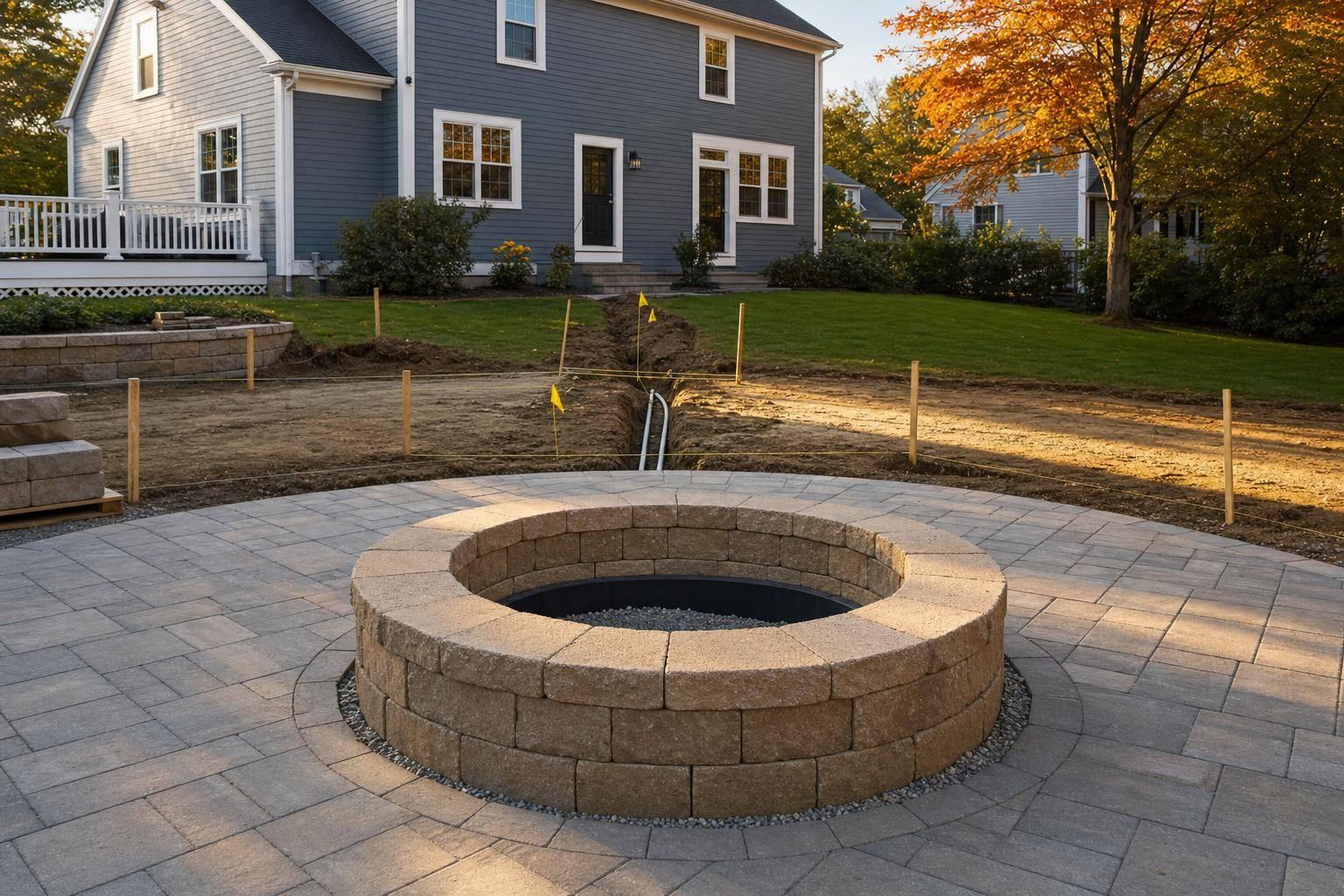
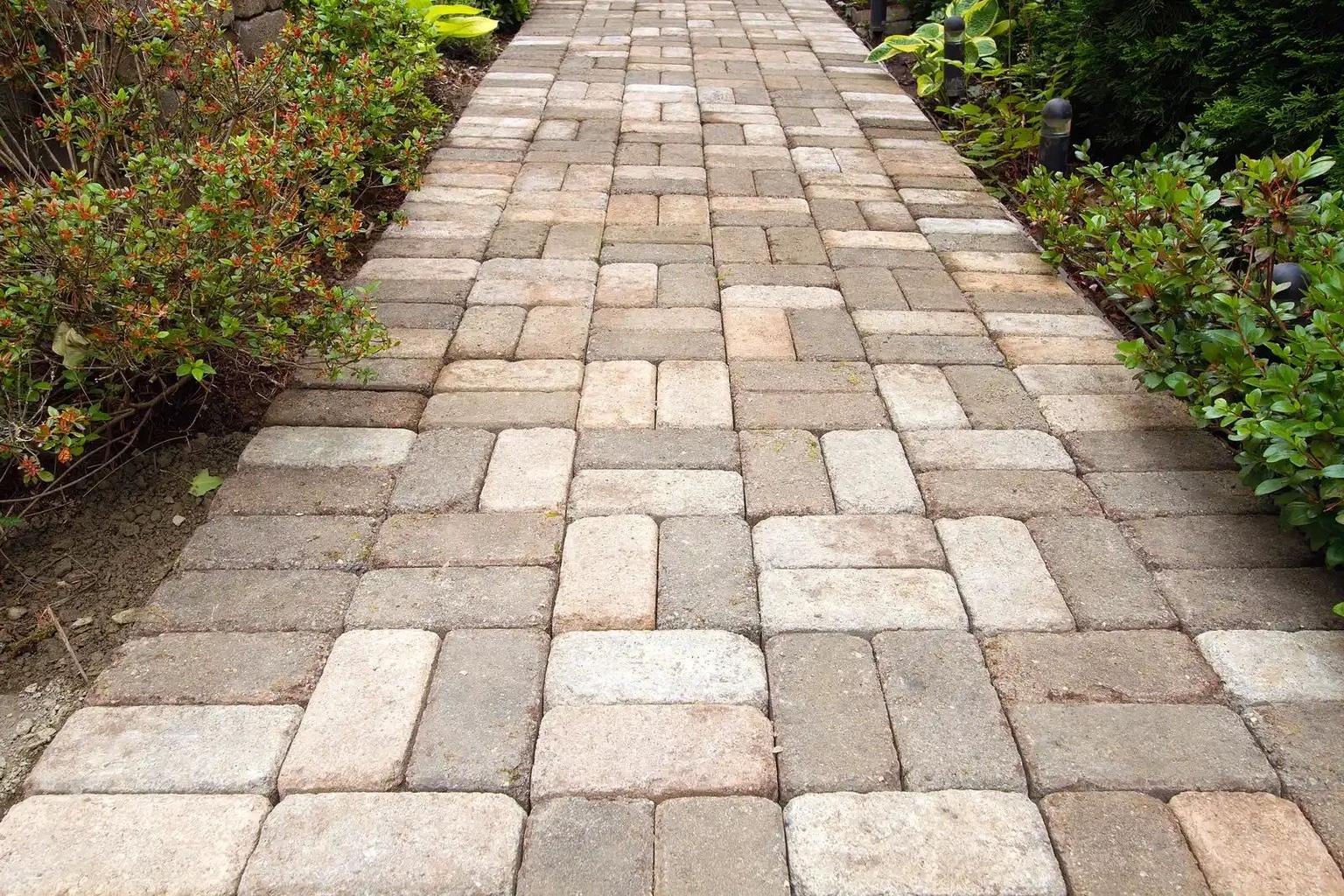
Patio costs in North Andover run about $1,500–$15,000+ (or $8–$45/ft²) depending on material, site prep, and add‑ons—compare line‑item quotes.
If I want the short answer: most patios in North Andover land between $1,500 and $15,000+, with installed costs from $8 to $45 per square foot depending on material, site work, and add-ons.
If I’m budgeting a patio in North Andover, MA, I’d start here:
What changes the price most? In this article, I see the same cost drivers come up again and again: slope, drainage, access, material choice, and layout detail. In North Andover, freeze-thaw weather also means base prep is not something to skip, so ground work can take a big share of the budget.
For a fast ballpark:
| Material | Installed Cost |
|---|---|
| Poured Concrete | $8–$15/sq ft |
| Concrete Pavers | $15–$30/sq ft |
| Natural Stone / Bluestone | $20–$40/sq ft |
| Porcelain Pavers | $25–$45/sq ft |
Bottom line: if I’m comparing quotes, I wouldn’t look at square-foot price alone. I’d check base depth, drainage, edging, cleanup, and permit scope in writing, because those line items often explain why one estimate is much lower than another.
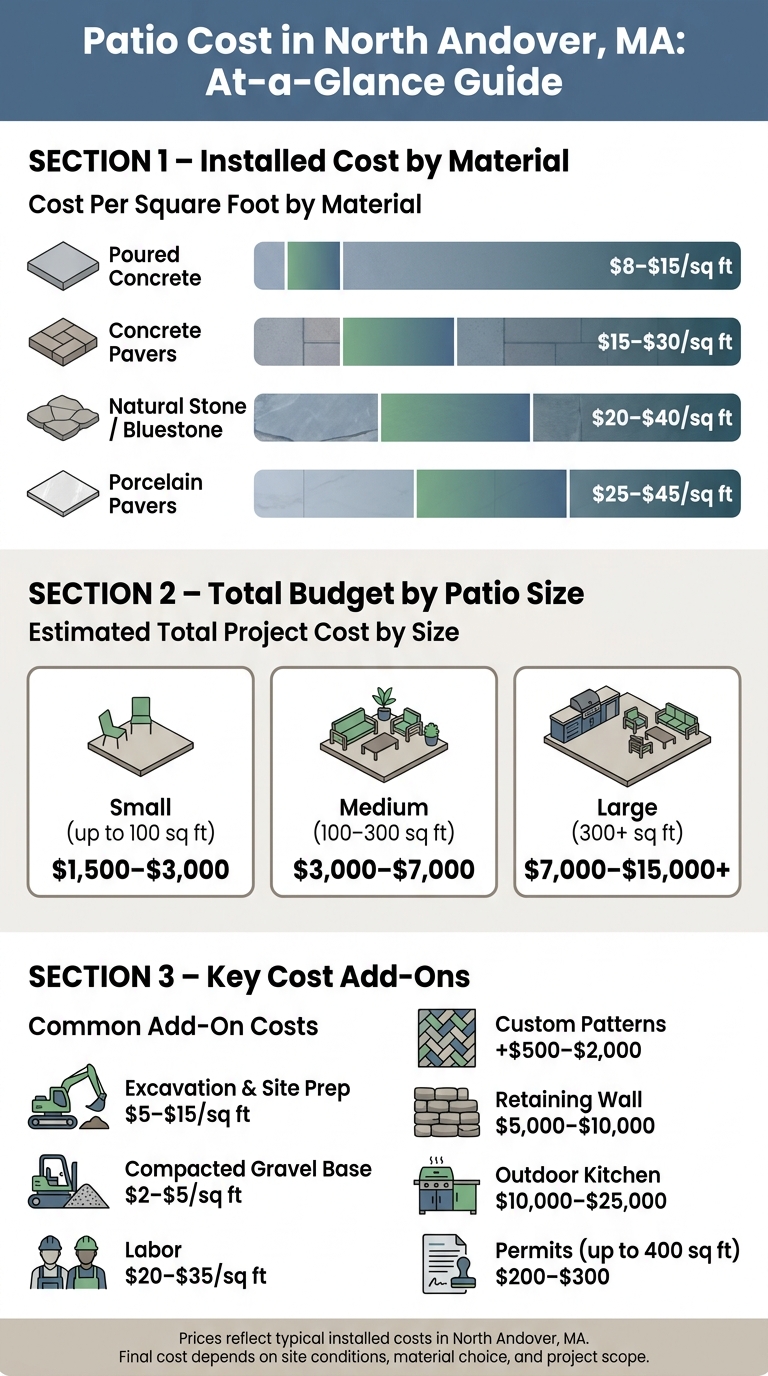
Patio Cost by Material & Size in North Andover, MA
When homeowners compare patio builders in North Andover, these are the baseline installed ranges to use. They don’t include add-ons like seating, lighting, drainage, or outdoor kitchens.
| Material | Installed Cost (Per Sq Ft) |
|---|---|
| Poured Concrete | $8–$15 |
| Concrete Pavers | $15–$30 |
| Natural Stone / Bluestone | $20–$40 |
| Porcelain Pavers | $25–$45 |
Most of the price spread comes down to labor and material choice. That’s especially true with stone, porcelain, and custom layouts, where prep work and installation can vary a lot.
Use these ranges as a starting point when you estimate total cost by patio size.
Measure length × width, then multiply that number by the installed rate for the material you want.
For a quick budget check:
Custom patterns or more complex layouts can add $500–$2,000 to the total.
North Andover’s freeze-thaw cycles mean excavation, grading, and a compacted gravel sub-base aren’t optional. They’re part of building a patio that holds up over time.
That shows up in the cost of excavation, base depth, and drainage, which we’ll break down next.
A patio installation in North Andover usually comes down to five cost parts: excavation, base prep, surface material, labor, and permits.
Excavation and site prep usually add $5 to $15 per sq ft. Then there’s the compacted gravel base, which adds another $2 to $5 per sq ft installed. That base is usually 4 to 10 inches deep, depending on the soil and how much drainage the site needs.
If the yard has a slope, the soil is poor, or equipment access is tight, those costs can land near the top of the range.
Surface costs aren’t just about the patio material itself. You also need edge restraints to keep the perimeter in place and joint sand to help cut down shifting and weeds. Landscape curbing usually runs $5 to $18 per linear foot.
Custom patterns and premium finishes can also add to the bill, both for materials and for labor.
Labor is often the biggest part of the budget. It covers the full install process, including layout, excavation, compaction, cutting, setting, cleanup, and equipment use. In North Andover, labor usually runs $20 to $35 per sq ft.
Permits are a smaller line item, but they still matter. On-grade patios usually don’t need a North Andover building permit. But attached structures, raised decks, gas lines, and electrical work do. If your patio project needs a permit for an area up to 400 sq ft, plan on $200 to $300.
With those cost pieces laid out, the next step is to compare installed pricing by material.
Material choice has a big effect on your patio budget. Here’s how common options usually price out for patio installation in North Andover.
Concrete pavers are a solid fit for North Andover’s freeze-thaw climate. If one area gets damaged, contractors can swap out single pavers instead of tearing up the whole patio.
The $15–$30 per sq ft installed range covers most standard jobs. Costs move up with premium brands or more detailed patterns, like herringbone or circular layouts. Custom designs can add $500 to $2,000 to the total.
Poured concrete is the lowest-cost concrete patio option in North Andover. For a basic slab, expect $8–$15 per sq ft installed.
Natural stone and bluestone cost more because both the material and the labor tend to be pricier. If the job calls for custom trimming or a more detailed layout, the total usually lands near the top of the $20–$40 per sq ft installed range.
Porcelain pavers sit at the top end of this group. The material costs more, and installation takes more specialized work. That’s why the usual price lands around $25–$45 per sq ft installed.
Next, site conditions and design choices can push these prices up or down.
Two patios with the same square footage can end up with very different price tags. Most of that comes down to site conditions and homeowner choices. Those two factors usually decide where a project falls within the installed price ranges above. In North Andover, freeze-thaw weather makes those details matter even more.
Site conditions tend to have the biggest effect on any patio budget. If the yard slopes, the crew may need to do heavy grading to make the area level. In some cases, that also means adding retaining walls. A brick retaining wall can cost $5,000 to $10,000.
Drainage can also change the math. If water tends to collect in the area, contractors may need to build drainage into the base. That adds both materials and labor. Access matters too. When equipment can’t get close to the work area, crews may have to hand-carry stone, pavers, and base material, which pushes labor costs up.
Some site problems increase costs fast. On a harder site, excavation and base prep often move toward the top end of the range.
On the design side, simple usually means lower cost. A flat site, a basic rectangular layout, and standard materials often put a patio near the low end of the range.
Pattern detail is another factor. More detailed layouts take more labor, and that can add $500 to $2,000 to the total.
The table below shows the most common cost drivers at a glance.
| Cost Driver | Typical Impact | Why It Affects Price | Required or Optional |
|---|---|---|---|
| Slope/Grading | High | Requires earth moving and may call for retaining walls to create a level surface | Required if site isn't flat |
| Drainage Integration | Medium–High | Adds materials and labor to address water pooling and erosion | Site-dependent |
| Limited Equipment Access | Medium | Raises labor because crews may need to hand-carry materials | Site-dependent |
| Custom Patterns | Low–Medium | Adds $500–$2,000 in labor for precise cutting and placement | Optional |
| Permits / Gas / Electrical | Low–Medium | Required for attached structures, raised decks, gas lines, or electrical additions | Required for certain projects |
| Flat Site + Rectangular Layout | Lowers Cost | Cuts excavation, grading, and cutting time | Design choice |
| Poured Concrete Surface | Lowers Cost | Faster to install than individual pavers | Material choice |
After site conditions, extras like steps, walls, lighting, and utility lines can drive the total higher.
Steps, walls, kitchens, and utility work sit outside the base patio price. Each one is its own scope item, with its own labor and materials. If you keep those costs separate in your budget, it's much easier to compare estimates side by side.
After site prep, add-ons like steps and outdoor kitchens tend to create the biggest jumps in price.
Built-in steps, seating walls, and masonry borders add excavation, structural prep, and labor. This type of vertical masonry work usually takes more cutting, fitting, and support work than installing pavers on a flat base. So even a small seating wall or a short set of steps can add a noticeable amount beyond the patio's per-square-foot price.
When you look over a proposal, ask the contractor to break out the patio surface work from the vertical masonry work. That way, you can see where the money is going instead of trying to guess. You can also review masonry options that often go along with patio installs.
Utility-connected features tend to cost more than masonry work alone.
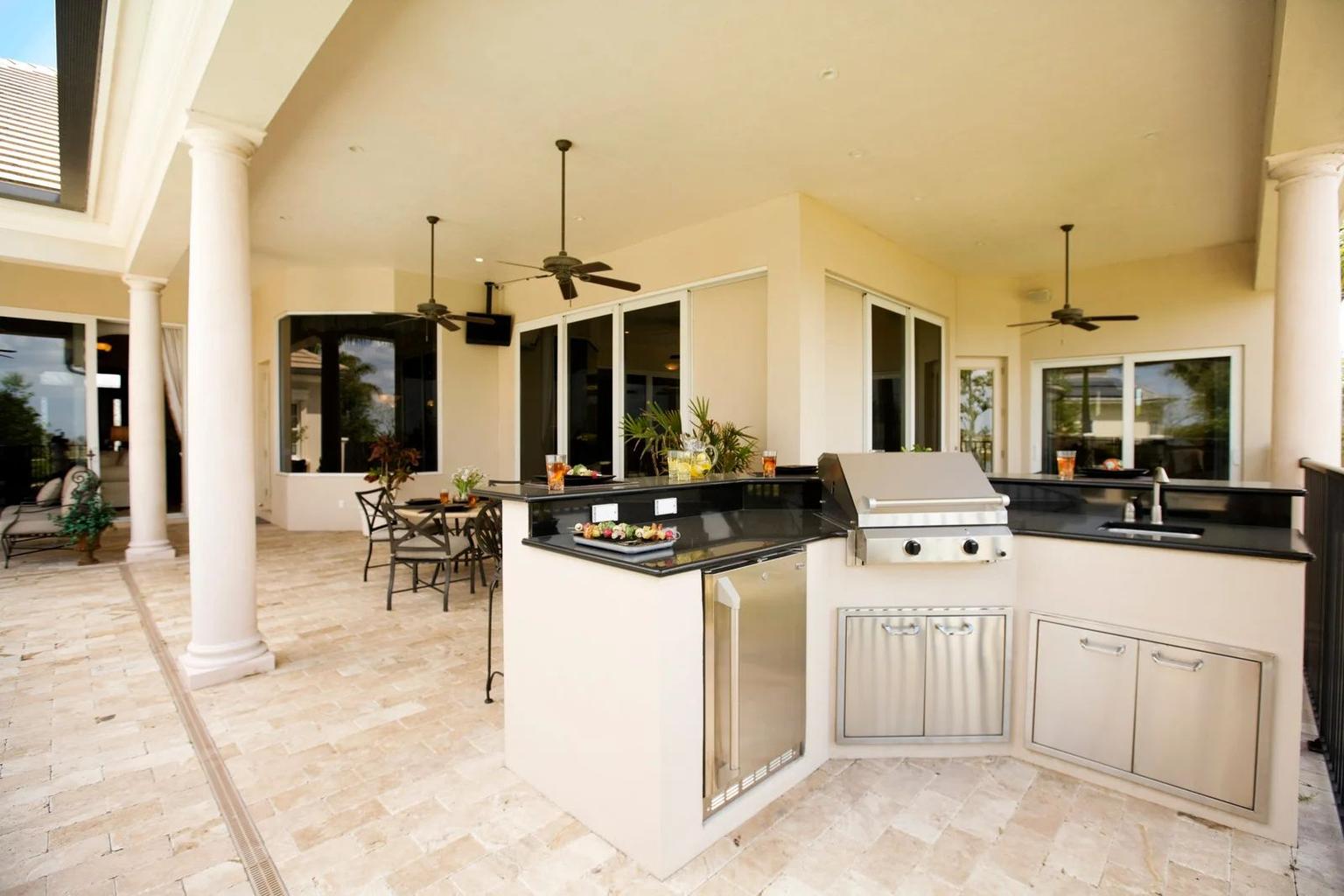
Outdoor kitchens, lighting, and outlet installs are usually listed as separate line items rather than part of the base patio price. A full outdoor kitchen can run $10,000 to $25,000. Gas and electrical work also call for permits and coordination with licensed trades, so it's smart to plan for that before excavation starts. Running gas and electrical lines during excavation helps you avoid cutting into finished work later.
Take a look at what's involved with outdoor kitchens if you want a clearer sense of how they affect scope and cost.
Bundling a patio with a walkway, wall, or steps can trim mobilization costs, but each feature should still have its own price.
If you're planning a bigger outdoor project, hardscaping services can help you sort out what makes sense to do now and what can wait. Itemized pricing makes it easier to compare each feature before you dig into contractor estimates.
Before you contact a patio contractor in North Andover, do a little homework first. Sketch the layout, jot down the rough dimensions, and note how you plan to use the space. Is it for dining, lounging, or a fire pit area? Also mark any slope or drainage problems you’ve noticed.
It helps to add a short wish list too. Think materials and add-ons like steps, a seating wall, or built-in lighting. Those details make it much easier to compare quotes line by line instead of guessing what each contractor included.
A detailed proposal should spell out what’s included and what’s not. When you review an estimate, ask these questions plainly:
Don’t compare quotes on price alone. Compare the included scope. That’s how you tell whether two estimates are pricing the same job or two very different versions of it.
Excavation, drainage, edging, and permits tend to drive most price gaps, so a line-item quote is the fastest way to check where the money is going. Start with your square footage, then ask for an estimate that breaks out each part of the job. A solid quote should line up with the cost drivers covered above: excavation, base prep, surface material, edging, drainage, labor, and permits.
Use the earlier size ranges as a starting point, then get those line items confirmed in writing. That step matters. A low number on paper can look good at first glance, but if key parts are missing, the final bill can change fast.
Once you have a rough price, schedule a site visit with a patio contractor in North Andover so they can check the actual site conditions. If anything in the quote still feels fuzzy, that visit usually clears up the final scope. Oliver Enterprises offers patio installation in North Andover and can review the full scope, from base prep and surface material to masonry, outdoor kitchens, and broader hardscaping work.
A typical patio in North Andover can last 20–30 years or more when it’s built well and looked after over time.
The biggest factors are the materials you choose and the local weather conditions.
Natural stone, especially bluestone, is often seen as the top pick for freeze-thaw weather. It’s tough, holds up well through temperature swings, and is less likely to crack when water freezes and expands.
Before you sign a patio contract in North Andover, MA, make sure you get a detailed written agreement.
That agreement should spell out:
You’ll also want to confirm whether permits are included in the contractor’s price or if they’re your responsibility.
And if you’re adding extras like lighting or custom patterns, have those listed in writing too. Small add-ons can change the price fast, so it’s better to see everything up front.